
Experiences in transplanting and moving green trees, ornamental plants, fruit trees
In the technique of transplanting and moving trees, we usually transplant large soil balls and do not break the soil balls, prune the branches, and remove leaves. However, in some cases, trees grown in sandy or soft soil areas will break the soil balls or the trees are in a position where large soil balls cannot be taken, or the soil balls are heavy and cumbersome. The question now is how to transplant small soil balls or trees without soil and still survive?
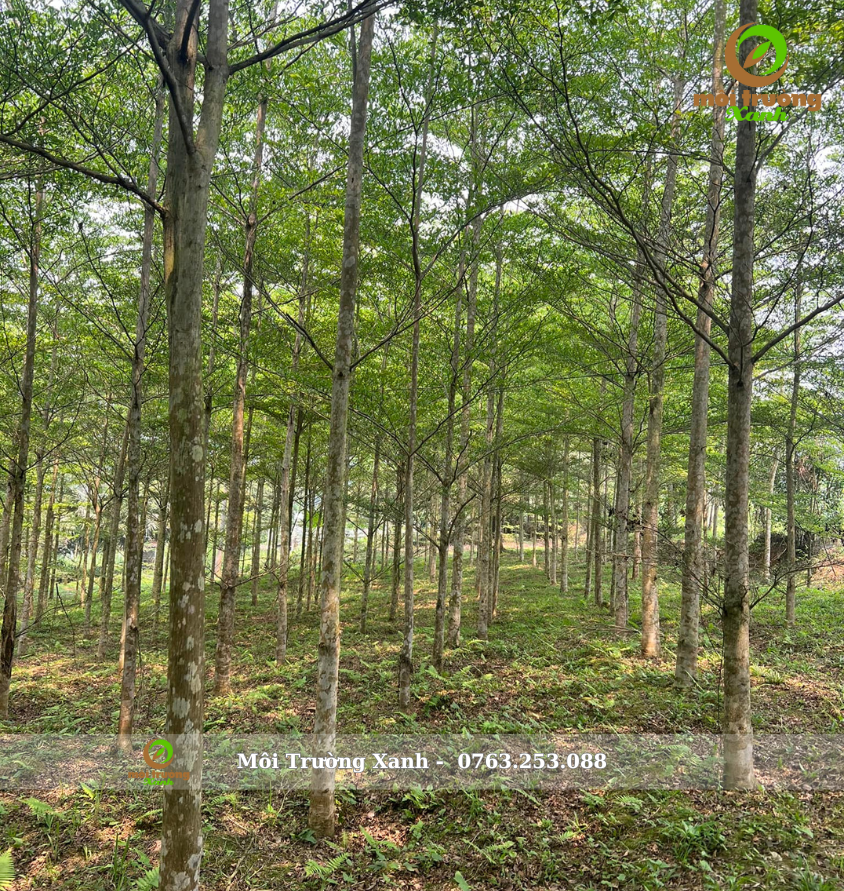
In addition, if you transplant small or soilless gourds, there will be many advantages:
– More compact transportation
– Less labor
– Less time consuming
– Less expensive
Green Environment Sculpture and Landscape Joint Stock Company summarizes 10 experiences that often transplant small or soilless gourds to plant and still achieve a very high survival rate as follows:
1. Pay attention to the direction of the tree’s growth

Before transplanting the tree, you must pay attention to the direction in which the tree grows! Which side or branch grows to the East, then place it in the East direction, which side grows to the West direction, then place it in the West direction. This way, it will not disturb the existing magnetic field in the tree trunk. If there are many trees, it is necessary to mark a direction (East or West) for easy recognition before planting in the home garden. Many people do not pay attention to this, so even though they take good care of the tree, it still dies without knowing why.
2. Cut young shoots

Before transplanting the tree, you need to cut off all young shoots and young leaves. Cut off the young branches (half old, half young branches). Then trim the leaves. If possible, trim to create a preliminary shape. This method helps the tree to reduce water loss in the trunk, not lose water suddenly and is also more compact to transport.
3. How to cut roots
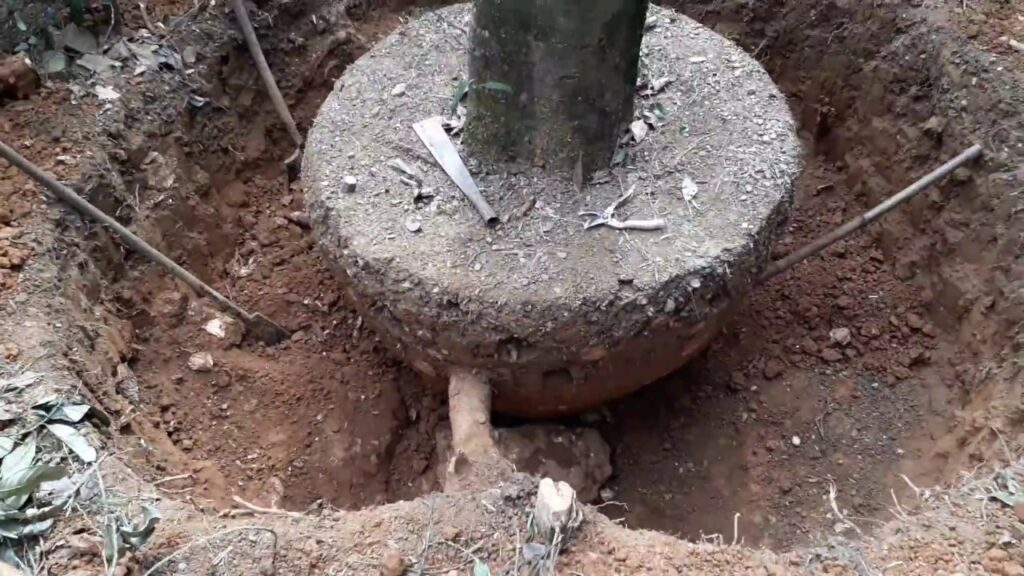
When transplanting the tree, you must shape the pot or planting place to leave the roots suitable. The roots should be slightly longer than the diameter of the pot. Cut the root tips cleanly, do not let them be bruised or scratched. During transportation, if they are scratched or bruised, you must cut them again before putting them in the pot or in the ground, then apply root stimulant. If possible, you need to keep the tiny roots, this type of root absorbs water quickly, which will help the tree balance the water in the trunk faster.
Apply glue to the cut roots and branches to heal quickly and prevent sap from flowing. Remember to apply glue to cover the cut bark and root bark.
4. Build a mound of soil
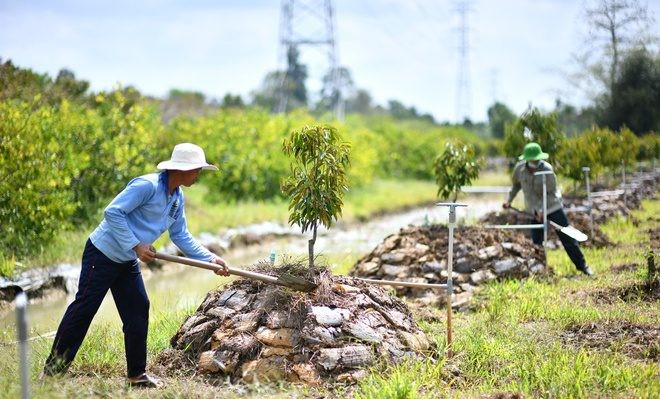
If you put it in a pot right away, the pot must drain well. It is best to put the plant on the ground, then build a mound of soil just above the roots (or on a mound with drainage grooves like vegetable beds). Do not rush to expose the roots. Remember to use dry leaves, dry grass, straw, water hyacinth, etc. to cover around the base for a while. Building a mound of soil like this will help the plant drain well and not get waterlogged, so it is easy to survive.
5. Moderate water
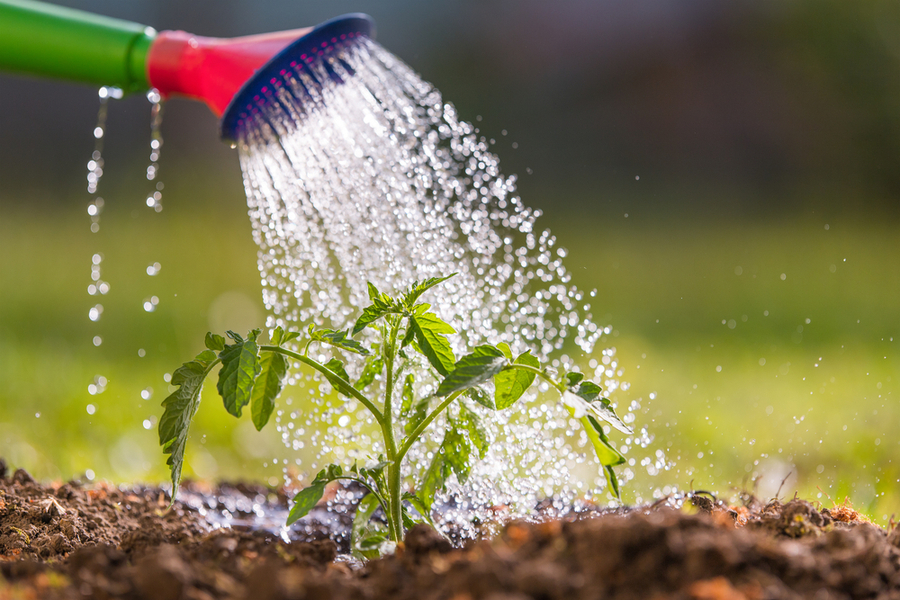
Many people, when transplanting a plant, often water it a lot! This causes the plant to die from excess water. The water must be just enough, not too wet, not too dry. For plants with succulent stems such as cacti, porcelain, etc., there is no need to water for the first few days.
6. Full sunlight

For newly transplanted plants, avoid direct sunlight completely, covering about 50% of the light is enough. Do not cover too much, the plant will not be well lit. Remember to avoid placing under the shade of large trees, you must be proactive about the light. After about 1-2 weeks, gradually remove the cover so that the tree has enough light, suitable for each type of tree.
7. Where to place the tree
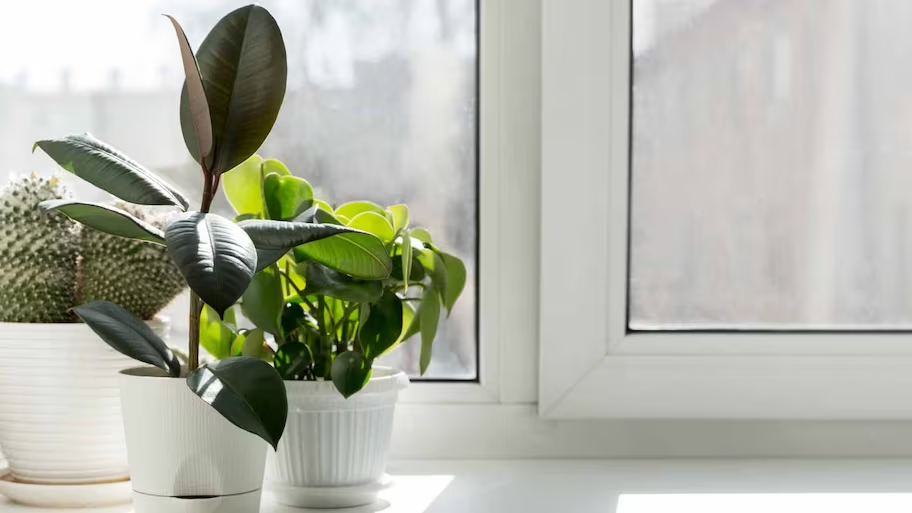
On the ground, there are places where trees often die, especially for large trees. You should mark these places and not plant the tree there. If the current place for the tree does not sprout new shoots within 3-4 weeks, you should move it 1.5m away so that the tree will have a better chance of surviving.
8. Keep the tree firmly
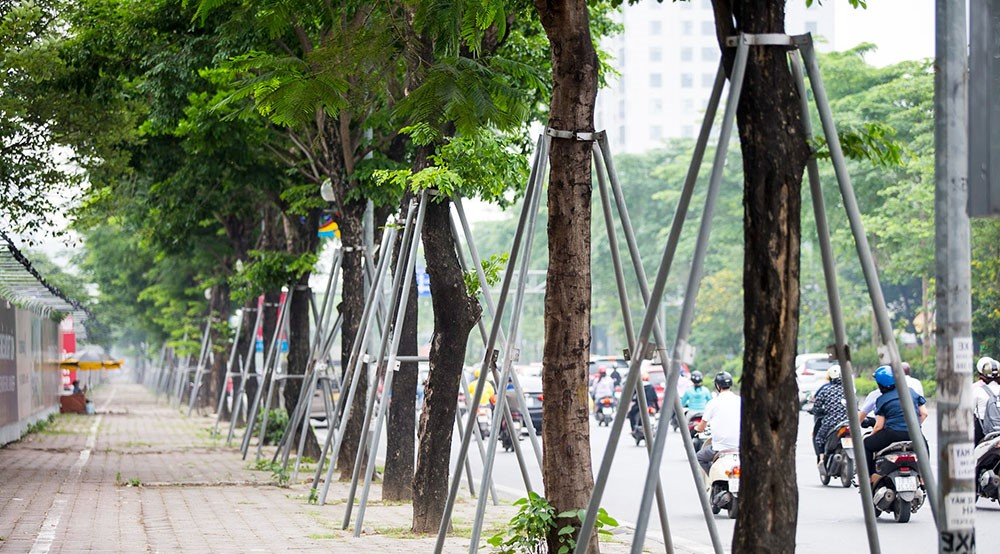
It is necessary to install a pole to hold the newly planted tree firmly, not to be shaken by wind, children, livestock, etc., to avoid the newly sprouted roots from breaking, crushing, and not being able to develop.
9. Do not use fertilizer
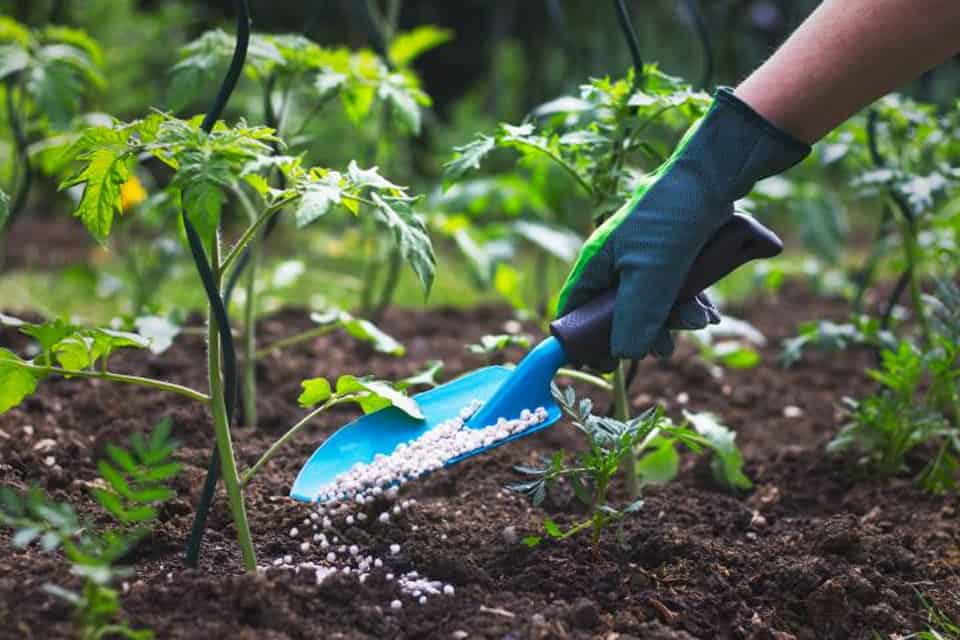
Newly dug up trees, newly cut roots, scratched roots, using fertilizer can easily rot the roots. When the tree has not yet grown leaves or still has young leaves. Do not use any inorganic fertilizers (except rooting stimulants).
10. Planting on lunar days

According to the lunar calendar, there are days when trees can be planted and days when trees cannot be planted. Many people do not know about this issue, so they die without explanation. On days with Suu, Ngo and Ky, Quy, trees can easily survive and are better planted in the cool afternoon.
At Green Environment, we provide all types of plants including potted plants and hot-potted plants, ensuring all the best techniques for our customers!
When you need to buy green trees, shade trees, construction trees, landscape trees, shrubs – flowers – grass, please contact us for free consultation!
Order quickly via Hotline/Zalo: Green Environment